The New Store, Thinks and Inks
Thirty Days to Leave: What Happened to Nine Clermont Small Businesses

I’ve spent a lot of time thinking about what I wanted to say publicly about what has happened to my business.
Nine small businesses in a Clermont marketplace, including mine, were recently given approximately 30 days’ notice that our leases were being terminated. No reason was given.

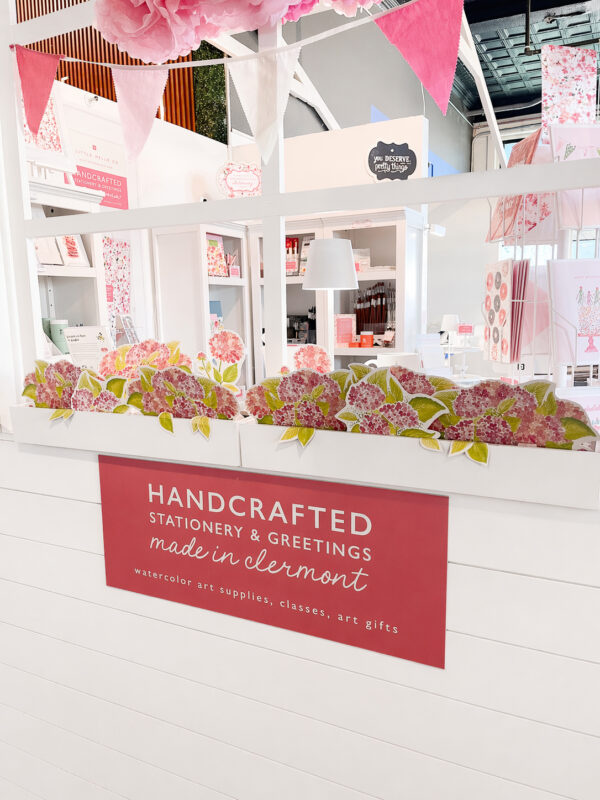

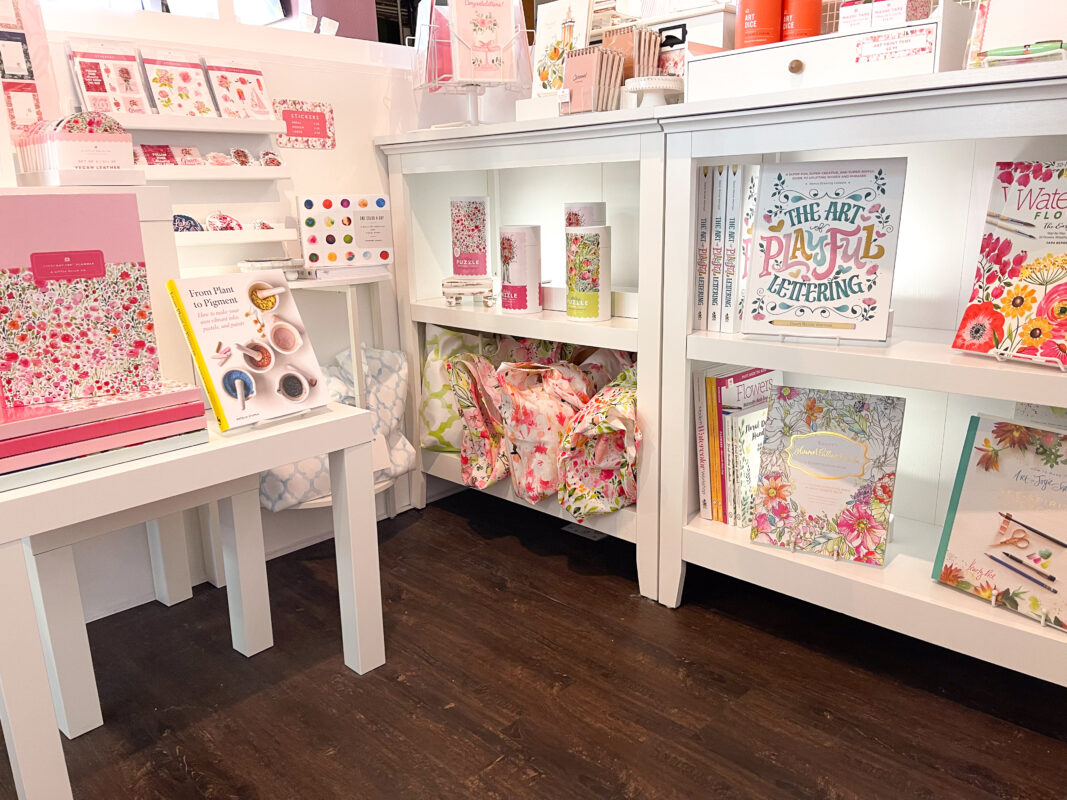
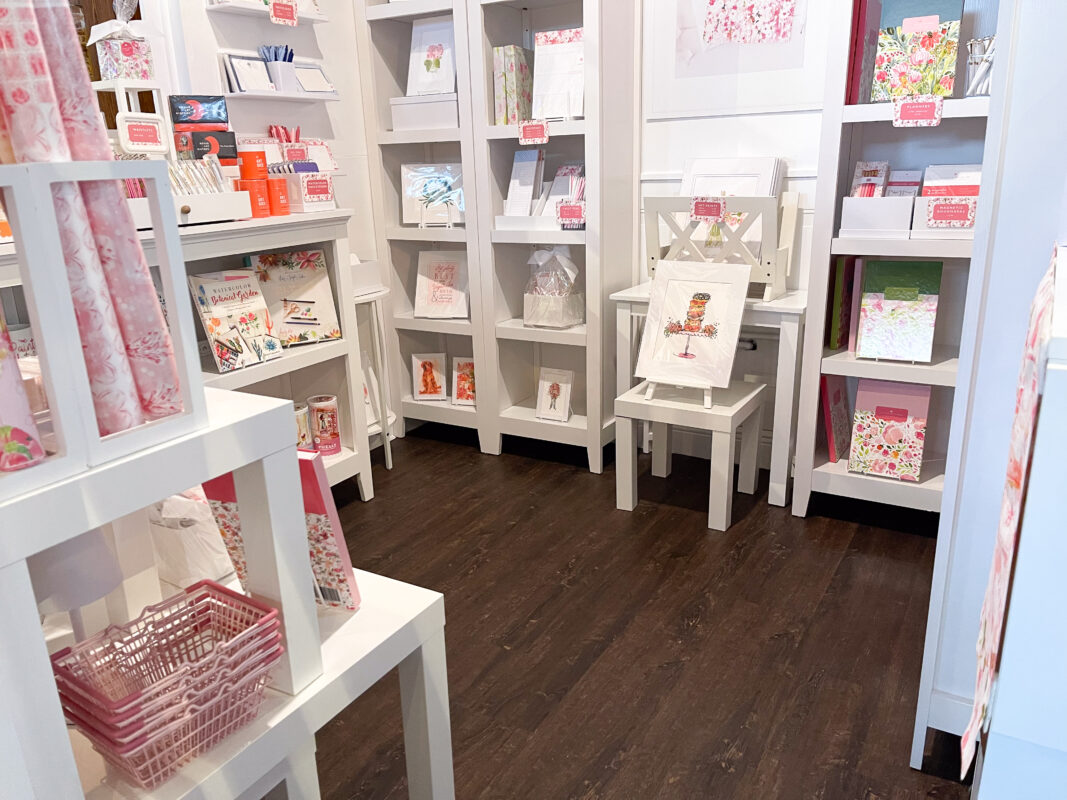

Our leases contain the provision that allows this.
And that’s exactly why I’ve decided to speak up.
This isn’t about pretending I didn’t sign a contract or arguing that property owners don’t have rights. I signed the lease. I accept responsibility for that.
But I also think what happened raises a question that extends far beyond my own business:
Should a microbusiness be able to invest thousands of dollars establishing a permanent retail presence in its community and then have only 30 days to dismantle it?
We Are Constantly Told to Shop Local
Shop small. Support local. Keep your dollars in your community. Support your downtown.
I believe in all of those things.
I believed in them enough to put my own money behind them.
Small businesses don’t just benefit from a local economy. We contribute to creating one. We buy supplies and services. We pay rent, taxes, insurance and fees. We hire people when we need work done. We advertise. We participate in community events. We bring customers into town.
I buy lunch downtown. I shop at neighboring businesses. Customers who come to visit my store may stop for coffee, have lunch or walk into another shop while they’re here.
That’s what keeping dollars local actually looks like.
Small businesses also contribute something that doesn’t fit neatly into a spreadsheet. Independent shops create the variety and personality that make a walkable downtown worth walking. They give people something to discover and another reason to spend an afternoon in their community.
But there’s something missing from the way we talk about “supporting small.”
Behind every “Shop Local” sign is a person who took a financial risk to give you somewhere local to shop.
We Weren’t Renting Tables for a Weekend
Traditional retail space is expensive. For many microbusinesses, especially those moving from markets, online sales or home-based businesses, a marketplace can be one of the few affordable paths to having a real storefront.
That’s what this marketplace represented to us.
We built out our spaces. We bought fixtures and inventory. We created storefronts. We promoted our businesses and the marketplace. We brought our customers there.
We weren’t renting tables for a weekend.
We were putting down roots in our hometown.
And then we learned how quickly those roots could be pulled up.
For Me, This Was More Than a Business Investment
I can’t speak for the finances of the other eight businesses. I can only tell you mine.
I invested approximately $11,500 of my own money to establish my store and purchase inventory.
That may not sound like a significant investment in the corporate world.
For a microbusiness, it is.
Microbusinesses aren’t miniature corporations. We don’t have shareholders, investors, relocation departments or large reserves waiting to finance our next location.
We have savings. We have retirement money. Sometimes we have an inheritance.
The money I used to open my store came from money my late mother left to me.
When I used what she left me to open it, I believed I was honoring her and building something meaningful from what she had given me.
I wasn’t speculating on commercial real estate.
I was building our dream store in my hometown.
And now I have approximately 30 days to dismantle it.
That’s difficult for me to write.
The financial loss is real. But so is the loss of what that store represented to me.
And that’s why I think we need to remember that small business is personal.
The money is personal. The work is personal. The risk is personal. For many owners, that little storefront represents savings, family income, retirement security, a second chance or a dream they’ve carried for years.
Our businesses may be small, but the stakes behind them can be enormous.
What Does “Support Small Business” Really Mean?
This is the contradiction I can’t stop thinking about.
We encourage people to become entrepreneurs. We tell them to follow the dream, take the risk, invest in their communities and help build vibrant downtowns.
Then we tell everyone else to support them.
Shop local. Eat local. Support local makers. Keep your dollars here.
But what happens when the people who answered that call have almost no time to protect what they built?
Thirty days may be enough time for a large company to execute a relocation plan.
For a microbusiness, 30 days can mean the end of the business.
I understand that my lease allows it. But contracts don’t have to be illegal to reveal a problem worth talking about.
There is a difference between what a contract permits and what a community considers reasonable.
There is a difference between what is legal and what is equitable.
I think we should be able to talk about both.
So I’m Speaking Up
I don’t know exactly what the solution should be.
Maybe qualifying microbusinesses should receive 90 or 120 days’ notice before certain no-cause commercial lease terminations. Maybe short-notice termination provisions should require much more prominent disclosure before an entrepreneur invests thousands of dollars into a space. Maybe there should be additional consideration when substantial build-outs or improvements have been made.
And maybe we first need to find out how often this is happening.
What I do know is that nine small businesses in Clermont are facing this at the same time.
Some may relocate. Some may return to markets or online sales. Some may have to start over. Some may not survive the disruption.
That should matter beyond the nine people directly affected.
I’ve now brought this issue to state legislators, Clermont and Lake County officials, local business and economic-development organizations, and the Orlando Sentinel.
I’m not asking anyone to rescue me from a contract I signed.
I’m asking people to look at what happened and ask if we can do better for the next small-business owner.
Affordable Rent Doesn’t Necessarily Mean Affordable Risk
If something constructive can come from losing my store, I want it to be this:
I want another entrepreneur to understand the questions I didn’t fully appreciate before investing thousands of dollars into a commercial space.
How quickly can I be required to leave?
Can my lease be terminated without cause?
What happens to the money I invest in this space?
What happens to improvements I paid for?
If I invest my savings, retirement money or inheritance here, how much security do I actually have?
Affordable rent does not necessarily mean affordable risk.
I don’t know where this effort will lead. I don’t know if laws will change or if anyone in a position of authority will decide that 30 days deserves another look.
But I know I don’t want what happened to us to happen quietly.
We spend a lot of time telling people to support small businesses.
Maybe supporting small business should also mean supporting the people willing to risk what they have to create them.
Small businesses are asked every day to believe in their communities enough to invest in them.
Our communities should care what happens after we do.
Nine Clermont businesses learned this lesson the expensive way.
I would like us to be the last ones who have to.