
Painting
Struggling With Watercolor? Try Painting Bigger
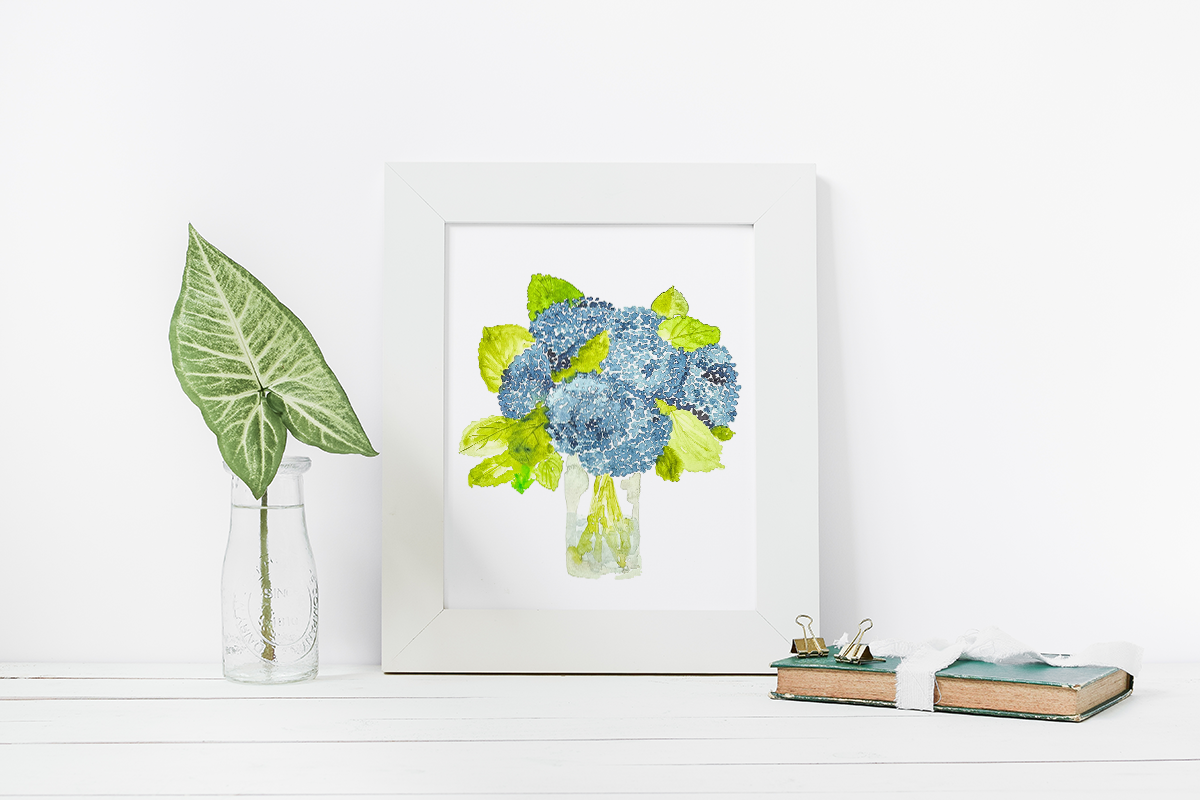
If you’re new to watercolor, painting on a large sheet of paper can feel incredibly intimidating.
A tiny 5×7 painting feels manageable. Safe, even. An 11×17 sheet? That can feel a little like standing at the edge of a diving board while holding a very expensive piece of cotton paper.
But here’s the surprising thing I’ve learned after years of painting professionally: Painting larger is often much easier than painting small. And once I understood why, watercolor became much less frustrating.
Small Paintings Leave Very Little Room for Watercolor to Behave Like Watercolor
Most beginners assume small paintings are easier because they seem less overwhelming. Less paper. Less space. Less pressure. But watercolor behaves very differently on a tiny surface.
Smaller paintings:
- dry faster,
- leave less room for blending,
- encourage tight, careful movements,
- and make it easier to overwork your paper.
When you paint too small, you often end up fighting both the water and your brush. Everything feels cramped. You’re trying to create soft blends and expressive strokes in a space barely larger than your hand while silently begging the paint to cooperate.
Painting Larger Gives You Room to Move
One of the biggest changes in my own work happened when I slowly started painting larger.
When I first began watercolor, even a small sheet of paper felt intimidating. I limited myself to painting on 4×6 postcards because they felt manageable and low-pressure.
From there, I moved to a narrow 3×7 format, then eventually to 8×10 paper, and that’s when I really started noticing a transformation in my paintings. My washes became smoother. My brush strokes loosened up. Everything felt less cramped.
Eventually, I worked almost exclusively on 9×12 paper for a couple of years before finally feeling brave enough to try 11×17 and even 18×24 sheets. The funny thing is, the larger I painted, the easier watercolor often became.
These days, 9×12 is still my sweet spot. It gives me enough room to move naturally without feeling overwhelming, and it works beautifully for the way I digitize my artwork by photographing paintings for stationery and product design.
Working larger allows me to:
- loosen up my brush strokes,
- create smoother washes,
- layer color more naturally,
- and add details without feeling cramped.
And details are often easier to paint on a larger piece.
A leaf painted at 11×17 doesn’t require microscopic brush movements the way it would on a tiny postcard-sized painting. You have room for your hand to move naturally. And watercolor tends to look better when your hand moves naturally instead of gripping a tiny brush like you’re performing surgery.
Your Brush Should Probably Be Bigger Than You Think
This same idea applies to brushes, too.
One of the most common mistakes beginners make is reaching for the tiniest brush they own because they assume tiny brush = better detail. But in watercolor, larger brushes are often much easier to control.
A bigger brush:
- holds more water,
- creates smoother strokes,
- helps prevent streaky washes,
- and allows paint to flow more evenly across the paper.
Tiny brushes dry out quickly, which means beginners often end up with scratchy, uneven strokes and harsh edges.
Even when I’m painting details, I usually prefer a medium round brush with a fine point rather than an ultra-small detail brush.
You don’t necessarily need a tiny brush for detail work. You need a brush with a good point and enough water capacity to move comfortably across the page. In fact, many tiny brushes create more stress than detail.
Bigger Doesn’t Mean Giant
Painting bigger doesn’t mean you need to create a mural-sized masterpiece. Even moving from a small 5×7 painting to a 9×12 sheet can completely change the experience.
You may notice:
- softer blends,
- smoother movement,
- better water control,
- and less overworking.
Sometimes watercolor becomes easier the moment you stop trying to paint so carefully.
Try This Experiment
Paint the same simple subject twice.
Paint one version small. Then paint the second version on a larger sheet using a slightly larger brush than you normally would.
Notice:
- how your hand moves,
- how the water behaves,
- how quickly the paper dries,
- and how much easier it is to create softer transitions.
You might be surprised by which painting feels more natural. Because often, the thing that feels more intimidating at first is actually the thing that gives watercolor room to breathe.